Spinal Cord Injury Pain Treatment in NJ & NY
The accident was months ago but the pain never left. It burns across areas you can barely feel, wakes you at 3 AM with electric jolts, and no standard painkiller touches it. Metro Pain Centers specializes in the chronic pain that follows spinal cord injury, using interventional techniques designed for the unique neurology of post-injury pain syndromes.
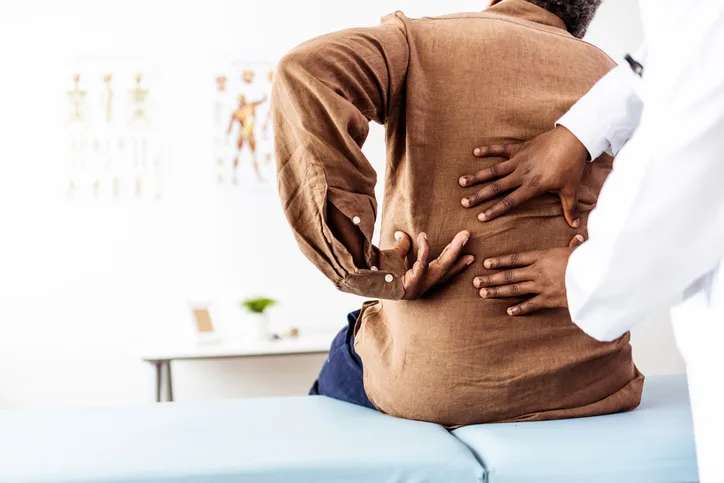
Understanding Spinal Cord Injury Pain at Metro Pain Centers
Spinal cord injury pain encompasses the persistent nociceptive and neuropathic pain syndromes that develop following traumatic or non-traumatic damage to the spinal cord, affecting up to 80 percent of spinal cord injury survivors and ranking among the most treatment-resistant pain conditions in clinical medicine.
Central sensitization, the amplification of neural signaling within the central nervous system that causes the pain processing centers to respond to normal sensory input as though it were painful, is the primary mechanism behind the chronic neuropathic pain that develops after spinal cord injury. Metro Pain Centers addresses central sensitization through neuromodulation techniques and targeted medication management that work at the spinal cord and brain level rather than at the peripheral nerve.
Spinal cord injury disrupts the normal flow of sensory information between the body and the brain. This disruption can paradoxically produce severe pain in areas where sensation is diminished or absent, a phenomenon that frustrates patients and challenges physicians unfamiliar with post-injury pain physiology.
Metro Pain Centers recognizes that spinal cord injury pain requires a fundamentally different approach than disc or joint-related pain. Our physicians evaluate the injury level, completeness, and specific pain characteristics to design a treatment plan matched to your neurology.
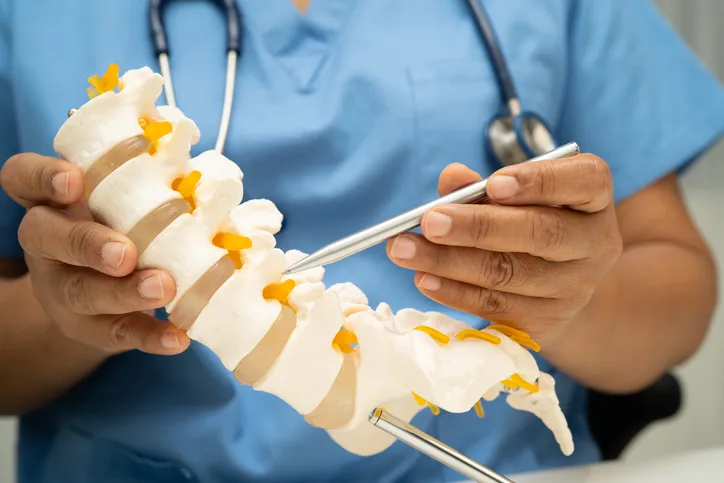
Understanding Your Condition
Our board-certified physicians use advanced diagnostic techniques to accurately identify the source of your pain, ensuring you receive the most effective treatment.
Symptoms of Spinal Cord Injury Pain
Burning, electric, or shooting pain below the level of injury that occurs without any external stimulus is the hallmark of neuropathic pain after spinal cord injury. Metro Pain Centers evaluates the character and distribution of this pain to classify it and guide treatment.
At-level pain occurs at the neurological level of injury and may feel like a band of tightness, burning, or stabbing around the trunk. Our physicians distinguish at-level neuropathic pain from musculoskeletal pain at the same level because the treatments differ.
Below-level pain extends into areas where sensation is partially or fully impaired. Patients describe diffuse burning, freezing, or aching in the legs despite having limited sensation there. Metro Pain Centers uses this pattern to confirm central sensitization.
Musculoskeletal pain above the injury level develops from wheelchair propulsion, transfers, and compensatory postures. Shoulder overuse pain is the most common above-level complaint. Our team manages this mechanical pain alongside the neuropathic components.
What Causes Spinal Cord Injury Pain
Traumatic spinal cord injuries from motor vehicle accidents, falls, sports injuries, and acts of violence cause immediate structural damage to the cord and surrounding tissues. Metro Pain Centers treats the chronic pain that develops after the acute injury has stabilized.
Non-traumatic causes including spinal stenosis, tumors, vascular events, and infections can injure the spinal cord gradually. The resulting pain syndromes mirror those seen in traumatic injury. Our pain management physicians evaluate the mechanism of injury to guide treatment.
Central sensitization develops as injured neurons in the spinal cord become hyperexcitable. Normal sensory signals are amplified into pain signals. Metro Pain Centers targets this abnormal neural processing with neuromodulation rather than peripheral interventions alone.
Musculoskeletal overuse above the injury level results from the increased physical demands placed on the upper body. Years of wheelchair use stress the shoulders, elbows, and wrists. Metro Pain Centers addresses these mechanical pain sources alongside neuropathic treatment.
How Metro Pain Centers Diagnoses Spinal Cord Injury Pain
Pain classification is the diagnostic starting point. Our board-certified pain specialists categorize each pain complaint as nociceptive, neuropathic at-level, neuropathic below-level, or mixed to determine the appropriate treatment pathway.
Neurological examination establishes the American Spinal Injury Association (ASIA) impairment level and identifies the sensory and motor boundaries of the injury. Metro Pain Centers uses this standardized assessment to correlate pain distribution with injury level.
MRI of the spinal cord evaluates the extent of cord damage, syrinx formation, and tethering. Metro Pain Centers orders MRI when new or changing pain patterns suggest evolving cord pathology that requires medical or surgical attention.
Diagnostic nerve blocks and medication trials help distinguish central neuropathic pain from peripheral nerve entrapment or musculoskeletal sources. Metro Pain Centers uses these tools sequentially to build a layered understanding of each patient's pain generators.
Treatment Options for Spinal Cord Injury Pain at Metro Pain Centers
Spinal cord stimulation delivers electrical impulses to the dorsal columns of the spinal cord to modulate pain signal transmission. Metro Pain Centers uses this neuromodulation approach as a primary tool for below-level neuropathic pain that does not respond to medication.
Intrathecal drug delivery systems place a programmable pump beneath the skin to deliver pain medication directly into the spinal fluid. Metro Pain Centers offers this option for patients whose neuropathic pain requires continuous drug delivery at doses that would cause intolerable side effects if taken orally.
Interventional pain management at Metro Pain Centers also includes targeted nerve blocks for at-level pain, trigger point injections for musculoskeletal overuse pain, and joint injections for shoulder and upper extremity pain from wheelchair use.
Physical therapy addresses musculoskeletal pain through shoulder strengthening, postural optimization, and adaptive movement strategies. PRP therapy supports healing in overused tendons and joints. Medical marijuana may complement neuropathic pain management for qualifying patients.
Schedule an appointment to discuss your spinal cord injury pain treatment plan.
Your Spinal Cord Injury Pain Specialists at Metro Pain Centers

EXPERIENCE
Led by Dr. Rahul Sood
Led by Dr. Rahul Sood, Chairman of Anesthesiology at New Bridge Medical Centers, Metro Pain Centers delivers multilingual care in English, Spanish, Punjabi, and Hindi at all 12 offices. Our facilities are fully accessible.
Our physicians hold board certifications in anesthesiology and pain medicine, with training from Mount Sinai, Rutgers, and Thomas Jefferson University.
Related Conditions Treated by Metro Pain Centers
Spinal cord injury pain overlaps with several conditions our physicians manage. Radiculopathy can coexist with spinal cord injury when nerve roots are compressed at the injury level.
Back and spine pain from musculoskeletal sources above and below the injury requires separate evaluation and treatment. Shoulder pain from wheelchair overuse is one of the most common co-occurring conditions.
View all conditions we treat at Metro Pain Centers.
Spinal Cord Injury Pain Treatment at 12 NJ and NY Locations
Why do I feel pain in areas where I have reduced sensation?
Spinal cord injury disrupts normal pain processing. Central sensitization causes the spinal cord and brain to generate pain signals even when peripheral sensation is impaired. Metro Pain Centers treats this central mechanism with neuromodulation and targeted medications.
What is spinal cord stimulation?
Spinal cord stimulation uses implanted electrodes to deliver electrical impulses that modulate pain signals in the dorsal columns. Metro Pain Centers offers a trial period before permanent implantation so you can evaluate the benefit before committing.
Can physical therapy help spinal cord injury pain?
Physical therapy addresses the musculoskeletal pain components that develop from compensatory movement patterns. Metro Pain Centers coordinates PT with interventional and neuromodulation treatments for comprehensive pain management.
Is spinal cord injury pain treatable without opioids?
Metro Pain Centers prioritizes non-opioid approaches including neuromodulation, targeted injections, neuropathic-specific medications, and physical therapy. Opioids are minimized in favor of interventions that address the underlying pain mechanism.
Does insurance cover spinal cord stimulation?
Most major insurance plans cover spinal cord stimulation when conservative treatments have been documented as insufficient. Metro Pain Centers manages the prior authorization process and verifies coverage before scheduling.
Hear From Our Patients
The doctors actually listen to you and take time to explain everything. I finally found relief after years of back pain.
From my first visit, I felt like they genuinely cared about helping me get better. The staff is wonderful and the treatments changed my life.
After seeing multiple doctors with no improvement, Metro Pain Centers finally gave me a treatment plan that works. I can't recommend them enough.
Get Relief from Spinal Cord Injury Pain Today
Living with pain after spinal cord injury demands a specialist who understands the unique neurology involved. Metro Pain Centers provides the neuromodulation expertise and interventional precision to reduce pain that standard treatments cannot reach.