Cancer Pain Treatment in NJ & NY
Chemo finished but the pain stayed behind. Your oncologist says the scans are clear, the tumor markers are down, and you should be celebrating. Instead you are still gripping the kitchen counter every morning waiting for the burning in your hands and feet to pass. Metro Pain Centers treats cancer-related pain that persists after treatment ends, so survivorship feels like recovery instead of a different kind of suffering.
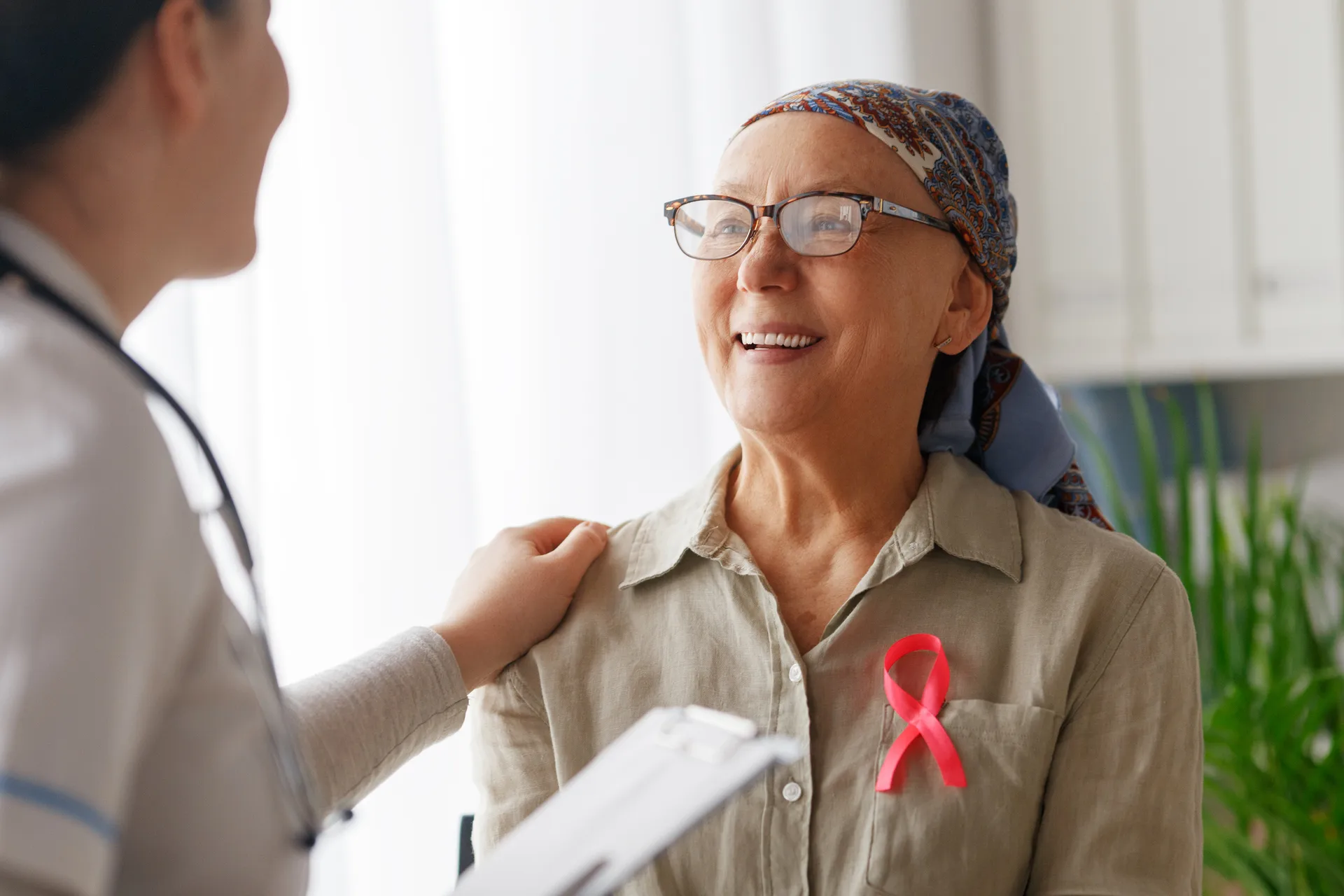
Understanding Cancer Pain at Metro Pain Centers
Cancer pain is a complex clinical syndrome arising from tumor invasion of bone, nerve, or visceral structures, from the toxic effects of chemotherapy and radiation on peripheral nerves, or from surgical disruption of tissue planes, affecting an estimated 55 percent of patients during active treatment and 40 percent of cancer survivors according to systematic review data published in the Annals of Oncology.
Intrathecal drug delivery, the implantation of a programmable pump that delivers pain medication directly into the cerebrospinal fluid surrounding the spinal cord through a surgically placed catheter, is one of the advanced interventional options Metro Pain Centers offers for cancer pain that does not respond to oral medications. This approach reduces systemic side effects by delivering a fraction of the oral dose directly to pain-processing neurons.
Cancer pain divides into nociceptive pain from tissue damage and neuropathic pain from nerve injury. Many patients experience both simultaneously. The nociceptive component responds to anti-inflammatory and opioid medications while the neuropathic component requires neuromodulatory agents.
Metro Pain Centers coordinates cancer pain management alongside oncology teams. Our physicians adjust treatment as the disease and its therapies evolve, ensuring pain control does not lag behind changes in the patient's condition.
Understanding Your Condition
Our board-certified physicians use advanced diagnostic techniques to accurately identify the source of your pain, ensuring you receive the most effective treatment.
Symptoms of Cancer Pain
Deep, aching bone pain that worsens at night and does not improve with position changes is the hallmark of tumor-related skeletal involvement. Metro Pain Centers evaluates the location and quality of bone pain to determine whether metastatic disease, pathologic fracture, or radiation-induced changes are responsible.
Burning, shooting, or electric-shock sensations in the hands and feet suggest chemotherapy-induced peripheral neuropathy. Platinum agents, taxanes, and vinca alkaloids damage the dorsal root ganglion neurons that relay sensation from the extremities. Our physicians grade neuropathy severity to guide treatment intensity.
Visceral pain from tumor involvement of abdominal or thoracic organs produces a deep, poorly localized pressure or cramping sensation. Patients often struggle to point to where it hurts. Metro Pain Centers uses visceral nerve blocks to target the specific autonomic plexus involved.
Post-surgical pain syndromes including post-mastectomy pain, post-thoracotomy pain, and phantom limb pain develop when nerves are severed or trapped during oncologic surgery. These neuropathic syndromes require specialized intervention beyond standard analgesics.
What Causes Cancer Pain
Direct tumor invasion compresses or destroys nerves, erodes bone, and distends visceral organs. The growing mass triggers inflammatory mediators including prostaglandin E2, tumor necrosis factor, and nerve growth factor that sensitize local nociceptors. Metro Pain Centers identifies the specific mechanism driving each patient's pain.
Chemotherapy neurotoxicity damages peripheral nerve axons and their myelin sheaths. Cisplatin accumulates in the dorsal root ganglia. Paclitaxel disrupts microtubule transport within the axon. Our pain management physicians treat the resulting neuropathy with medications and interventions that target injured nerve fibers.
Radiation therapy causes fibrosis of tissue surrounding nerves, producing delayed-onset neuropathy that can appear months or years after treatment completion. Metro Pain Centers evaluates post-radiation pain in the context of the radiation field and timeline to distinguish it from tumor recurrence.
Surgical tissue disruption severs cutaneous nerves and creates neuroma formation at the nerve stump. These neuromas generate spontaneous pain signals long after the surgical wound has healed. Our physicians identify and treat neuromas through targeted nerve blocks and neuromodulation.
How Metro Pain Centers Diagnoses Cancer Pain
Comprehensive pain assessment includes the Edmonton Symptom Assessment System and the Brief Pain Inventory to quantify pain intensity, interference with daily function, and response to current medications. Our board-certified pain specialists use these validated tools to track treatment progress.
Imaging review coordinates with the oncology team. Metro Pain Centers correlates PET/CT, MRI, and bone scan findings with the patient's pain distribution to determine whether the pain is tumor-driven, treatment-related, or from a concurrent non-malignant cause.
Diagnostic nerve blocks isolate specific pain generators. A celiac plexus block that eliminates upper abdominal pain confirms visceral tumor involvement at that level. Metro Pain Centers uses these blocks both diagnostically and therapeutically.
Electrodiagnostic studies including nerve conduction velocity and EMG quantify the severity of chemotherapy-induced neuropathy. Metro Pain Centers uses these results to classify neuropathy grade, guide medication selection, and establish a baseline for monitoring recovery.
Treatment Options for Cancer Pain at Metro Pain Centers
Intrathecal pump implantation delivers morphine, hydromorphone, or ziconotide directly to the spinal cord through a tunneled catheter and programmable reservoir. Metro Pain Centers offers this for patients whose pain requires high oral opioid doses with intolerable side effects, reducing systemic medication by up to 300-fold.
Neurolytic celiac plexus block destroys the sympathetic nerve fibers transmitting visceral pain from pancreatic, gastric, and hepatic malignancies. Metro Pain Centers performs this under fluoroscopic or CT guidance using alcohol or phenol to provide months of visceral pain relief.
Interventional pain management at Metro Pain Centers includes spinal cord stimulation for chemotherapy-induced neuropathy, vertebroplasty for painful vertebral compression fractures from metastatic disease, and peripheral nerve blocks for post-surgical neuropathic syndromes.
Physical therapy maintains functional capacity during and after cancer treatment. Medical marijuana offers adjunctive symptom relief for nausea, appetite loss, and neuropathic pain under physician supervision in eligible patients.
Schedule an appointment to discuss your cancer pain management plan.
Your Cancer Pain Specialists at Metro Pain Centers

EXPERIENCE
Led by Dr. Rahul Sood
Led by Dr. Rahul Sood, Chairman of Anesthesiology at New Bridge Medical Centers, Metro Pain Centers delivers multilingual care in English, Spanish, Punjabi, and Hindi across all 12 offices.
Our physicians hold board certifications in anesthesiology and pain medicine, with training from Mount Sinai, Rutgers, and Thomas Jefferson University.
Related Conditions Treated by Metro Pain Centers
Cancer pain overlaps with several conditions our physicians treat independently. Radiculopathy can result from tumor compression of spinal nerve roots producing the same radicular pattern seen in disc herniations.
Spinal cord injury pain shares neuropathic mechanisms with cancer-related spinal cord compression. Joint pain from chemotherapy-induced arthralgia, particularly with aromatase inhibitors, responds to the same interventional approaches used for degenerative joint conditions.
View all conditions we treat at Metro Pain Centers.
Cancer Pain Treatment at 12 NJ and NY Locations
Can cancer pain be managed without increasing opioid doses?
Interventional procedures including nerve blocks, intrathecal pumps, and neuromodulation reduce or eliminate the need for escalating oral opioids. Metro Pain Centers uses these techniques to control pain while minimizing sedation and constipation.
Does cancer pain always mean the cancer is back?
Persistent pain after cancer treatment frequently results from chemotherapy-induced neuropathy, radiation fibrosis, or post-surgical nerve injury rather than recurrence. Metro Pain Centers differentiates treatment-related pain from disease-related pain through careful evaluation and imaging correlation.
When should I see a pain specialist during cancer treatment?
Early referral produces better outcomes. Metro Pain Centers recommends consultation at the onset of pain symptoms rather than waiting until pain becomes severe, because interventional options are more effective when started before chronic pain pathways develop.
What is an intrathecal pain pump?
An intrathecal pump is a surgically implanted device that delivers pain medication directly into the cerebrospinal fluid. Metro Pain Centers programs the pump to provide continuous or on-demand dosing, achieving pain relief with a fraction of the oral medication dose.
Does insurance cover cancer pain treatment at Metro Pain Centers?
Metro Pain Centers accepts most major insurance plans. Intrathecal pumps, nerve blocks, and other interventional procedures are covered by most carriers for cancer pain indications. Our billing team verifies your benefits before treatment.
Hear From Our Patients
The doctors actually listen to you and take time to explain everything. I finally found relief after years of back pain.
From my first visit, I felt like they genuinely cared about helping me get better. The staff is wonderful and the treatments changed my life.
After seeing multiple doctors with no improvement, Metro Pain Centers finally gave me a treatment plan that works. I can't recommend them enough.
Get Relief from Cancer Pain Today
Surviving cancer should not mean enduring pain that outlasts the disease. Metro Pain Centers provides the interventional expertise to manage tumor-related pain, chemotherapy neuropathy, and post-surgical syndromes so you can focus on recovery instead of hurting through it.