Joint Pain Treatment in NJ & NY
Your knees crack going downstairs and the sound alone makes you pause on every landing. By the time you reach the bottom, both kneecaps ache and the stiffness in your fingers reminds you that opening a water bottle took two hands this morning. Metro Pain Centers identifies which joints are generating your pain and treats them so you can walk a flight of stairs without gripping the railing.
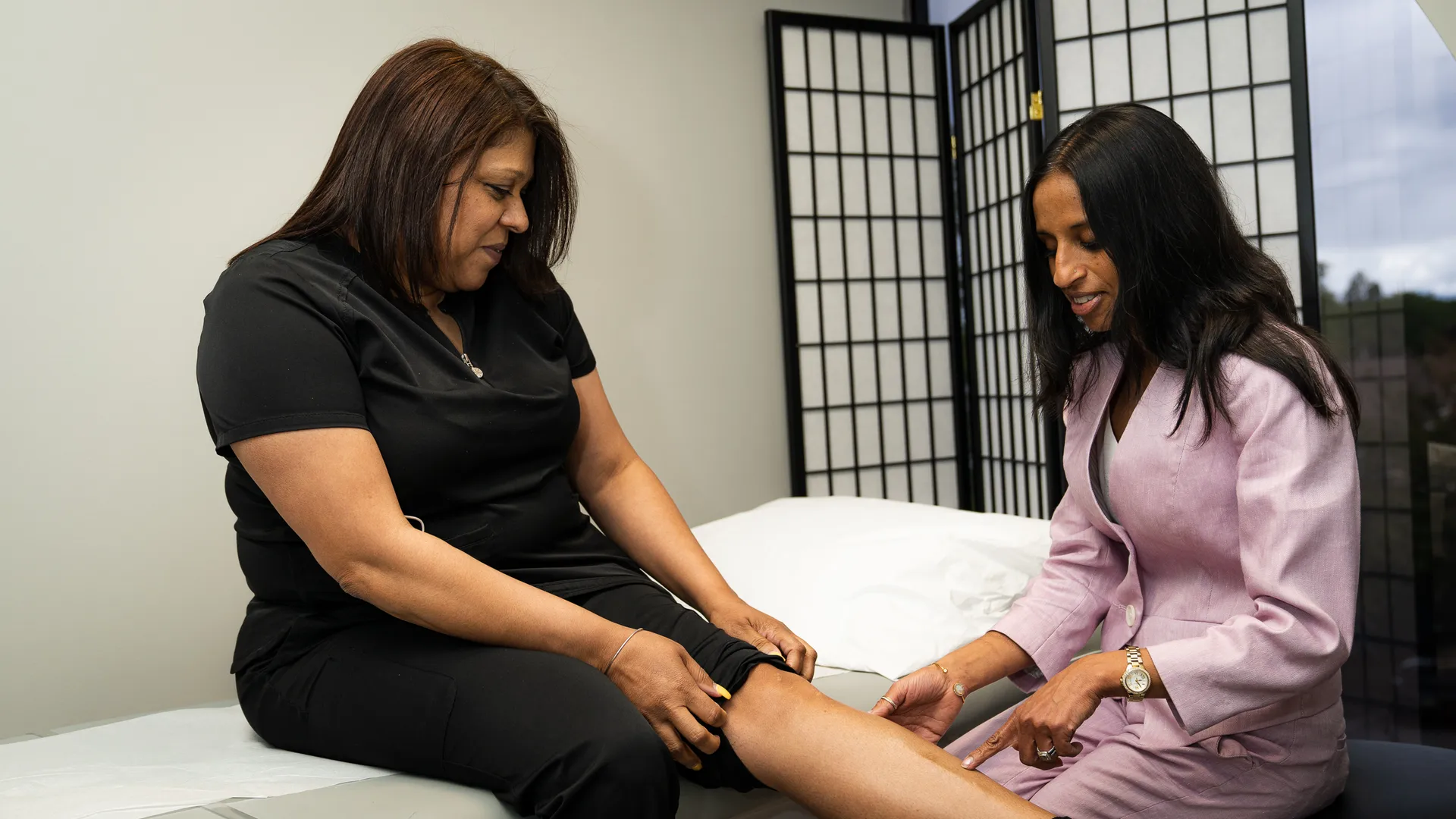
Understanding Joint Pain at Metro Pain Centers
Joint pain is a musculoskeletal condition arising from the synovial joints, the articulating surfaces where two bones meet within a fluid-filled capsule lined by synovial membrane, along with the surrounding cartilage, ligaments, tendons, and bursae that stabilize and cushion each joint during movement.
A polyarticular inflammatory cascade, the simultaneous activation of inflammatory mediators across multiple joints triggered by systemic immune signaling or widespread cartilage breakdown, is a pattern Metro Pain Centers evaluates when patients report pain in three or more joints at the same time. Identifying whether the inflammation is localized or systemic determines whether treatment targets individual joints or the underlying inflammatory process.
More than 100 conditions can produce joint pain, ranging from mechanical wear to autoimmune disease. The challenge is not recognizing that a joint hurts but determining which structure inside the joint is responsible and why.
Metro Pain Centers treats joint pain caused by osteoarthritis, inflammatory arthritis, bursitis, tendinopathy, ligament injury, and post-traumatic degeneration. Our physicians isolate the specific joint and the specific structure within it because the treatment differs for each cause.

Understanding Your Condition
Our board-certified physicians use advanced diagnostic techniques to accurately identify the source of your pain, ensuring you receive the most effective treatment.
Symptoms of Joint Pain
Stiffness that lasts more than 30 minutes after waking suggests an inflammatory component rather than simple mechanical wear. Metro Pain Centers differentiates morning stiffness patterns to determine whether the joint pain originates from osteoarthritis, rheumatoid involvement, or crystal deposition.
Swelling and warmth around a single joint points to localized inflammation from injury, infection, or gout. When multiple joints swell simultaneously, our pain management physicians evaluate for systemic inflammatory conditions that require a broader treatment strategy.
A grinding or catching sensation during movement indicates cartilage loss or loose bodies within the joint space. Metro Pain Centers uses diagnostic imaging and joint aspiration to identify the structural source of mechanical symptoms.
Reduced range of motion that worsens over weeks or months signals progressive joint damage. Our specialists track motion loss to determine how quickly the condition is advancing and whether early intervention can slow the decline.
What Causes Joint Pain
Osteoarthritis is the most common cause of joint pain that Metro Pain Centers diagnoses. The progressive loss of articular cartilage exposes the subchondral bone, producing pain during weight-bearing and movement as bone surfaces contact each other without their normal cushion.
Inflammatory arthritis activates the immune system against joint tissues. The resulting synovial inflammation produces swelling, warmth, and pain that can damage cartilage faster than mechanical wear alone. Metro Pain Centers identifies inflammatory patterns to guide treatment intensity.
Repetitive strain from occupational tasks or sports loads specific joints beyond their recovery capacity. The tendons and bursae surrounding the joint become inflamed before the cartilage itself deteriorates. Our physicians evaluate occupational and activity patterns alongside structural findings.
Acute injury from falls, collisions, or sudden twisting forces can damage cartilage, ligaments, or the joint capsule. Metro Pain Centers assesses traumatic joint pain to determine whether the injury will heal with conservative treatment or requires procedural intervention.
How Metro Pain Centers Diagnoses Joint Pain
Physical examination includes range of motion measurement, joint stability testing, palpation for effusion and warmth, and provocative maneuvers specific to each joint. Our board-certified pain specialists use these findings to narrow the diagnosis before ordering imaging.
X-rays reveal joint space narrowing, bone spurs, and alignment changes that indicate the stage of degenerative damage. Metro Pain Centers compares bilateral films to distinguish asymmetric wear patterns from systemic joint disease.
MRI provides detailed visualization of cartilage, ligaments, tendons, and synovial tissue within the joint. Our physicians order MRI when physical examination suggests soft tissue pathology that X-rays cannot detect.
Diagnostic joint injections with local anesthetic confirm whether a specific joint is the pain generator. When the injection eliminates the pain temporarily, Metro Pain Centers uses that confirmation to plan targeted treatment for the verified source.
Treatment Options for Joint Pain at Metro Pain Centers
Intra-articular corticosteroid injections deliver anti-inflammatory medication directly into the joint capsule. Metro Pain Centers uses ultrasound or fluoroscopic guidance to ensure precise placement, maximizing relief and minimizing surrounding tissue exposure.
Viscosupplementation injects hyaluronic acid into weight-bearing joints to restore lubrication and cushioning in joints with moderate cartilage loss. Our physicians recommend this when patients need longer-lasting relief than corticosteroid injections provide.
Interventional pain management at Metro Pain Centers includes genicular nerve blocks and radiofrequency ablation for knee joint pain, and targeted nerve procedures for shoulder and hip joints that do not respond to intra-articular treatment.
Physical therapy strengthens the muscles surrounding damaged joints to reduce mechanical load on the joint surfaces. PRP therapy delivers concentrated growth factors into the joint to support cartilage and soft tissue repair.
Schedule an appointment to discuss your joint pain treatment plan.
Your Joint Pain Specialists at Metro Pain Centers

EXPERIENCE
Led by Dr. Rahul Sood
Led by Dr. Rahul Sood, Chairman of Anesthesiology at New Bridge Medical Centers, Metro Pain Centers delivers multilingual care in English, Spanish, Punjabi, and Hindi across all 12 offices.
Our physicians hold board certifications in anesthesiology and pain medicine, with training from Mount Sinai, Rutgers, and Thomas Jefferson University.
Related Conditions Treated by Metro Pain Centers
Joint pain frequently overlaps with other conditions our physicians treat. Arthritis represents the degenerative and inflammatory joint diseases that are the most common structural causes of chronic joint pain.
Bursitis inflames the fluid-filled sacs that cushion joints and can mimic or accompany joint pain. Hip pain and knee pain are the most common weight-bearing joint complaints our specialists evaluate. Sports injuries produce acute joint damage that requires prompt diagnosis.
View all conditions we treat at Metro Pain Centers.
Joint Pain Treatment at 12 NJ and NY Locations
What is the difference between joint pain and arthritis?
Joint pain is a symptom that can arise from many causes including injury, inflammation, and infection. Arthritis is a specific diagnosis involving cartilage loss or immune-mediated joint inflammation. Metro Pain Centers determines which cause applies to your joints.
When should I see a specialist for joint pain?
Joint pain lasting more than two weeks, accompanied by swelling, or limiting your daily activities warrants specialist evaluation. Metro Pain Centers recommends early assessment to prevent irreversible joint damage.
Can joint pain be treated without surgery?
Most joint pain responds to non-surgical treatment. Metro Pain Centers uses image-guided injections, nerve procedures, physical therapy, and regenerative medicine to manage joint pain without surgical intervention.
Does weather affect joint pain?
Barometric pressure changes can increase symptoms in joints with existing damage. The underlying joint condition still requires treatment regardless of weather-related fluctuations.
Does insurance cover joint pain treatment at Metro Pain Centers?
Metro Pain Centers accepts most major insurance plans. Our billing team verifies your coverage and explains costs before any procedures.
Hear From Our Patients
The doctors actually listen to you and take time to explain everything. I finally found relief after years of back pain.
From my first visit, I felt like they genuinely cared about helping me get better. The staff is wonderful and the treatments changed my life.
After seeing multiple doctors with no improvement, Metro Pain Centers finally gave me a treatment plan that works. I can't recommend them enough.
Get Relief from Joint Pain Today
The cracking, stiffness, and aching that follow you from the staircase to the kitchen counter do not have to dictate your daily routine. Metro Pain Centers delivers the diagnostic precision to find the damaged structure and the interventional skill to treat it.