Shoulder Bursitis Treatment in NJ & NY
Sliding your arm into your jacket sleeve sends a sharp bite through the top of your shoulder before your hand even clears the cuff. Reaching across your body to grab the seatbelt fires pain down the outside of your arm, and by bedtime the ache has spread across the entire shoulder cap. Metro Pain Centers identifies which shoulder bursa is inflamed and treats it so you can dress, reach, and sleep without the bite stopping every arm movement.

Understanding Shoulder Bursitis at Metro Pain Centers
Shoulder bursitis is the inflammation of the bursae surrounding the shoulder joint, most commonly the subacromial bursa that lies between the acromion and the rotator cuff tendons, producing lateral and superior shoulder pain that worsens with overhead reaching, side-lying, and repetitive arm elevation.
Subacromial bursal impingement, the mechanical compression and irritation of the inflamed subacromial bursa between the undersurface of the acromion and the superior surface of the rotator cuff tendons during arm elevation that pinches the swollen bursal tissue with every overhead reach, is the pathomechanism Metro Pain Centers targets with subacromial injections and physical therapy to reduce bursal swelling and restore the clearance the shoulder needs to move without catching.
The subacromial bursa is the largest bursa in the body. It facilitates smooth gliding of the rotator cuff tendons beneath the acromion during the millions of arm elevations a person performs each year.
Metro Pain Centers treats subacromial bursitis, subdeltoid bursitis, subscapular bursitis, and acromioclavicular bursal inflammation. Our physicians determine which bursa is involved and whether the inflammation is isolated or secondary to an underlying rotator cuff tendinopathy.
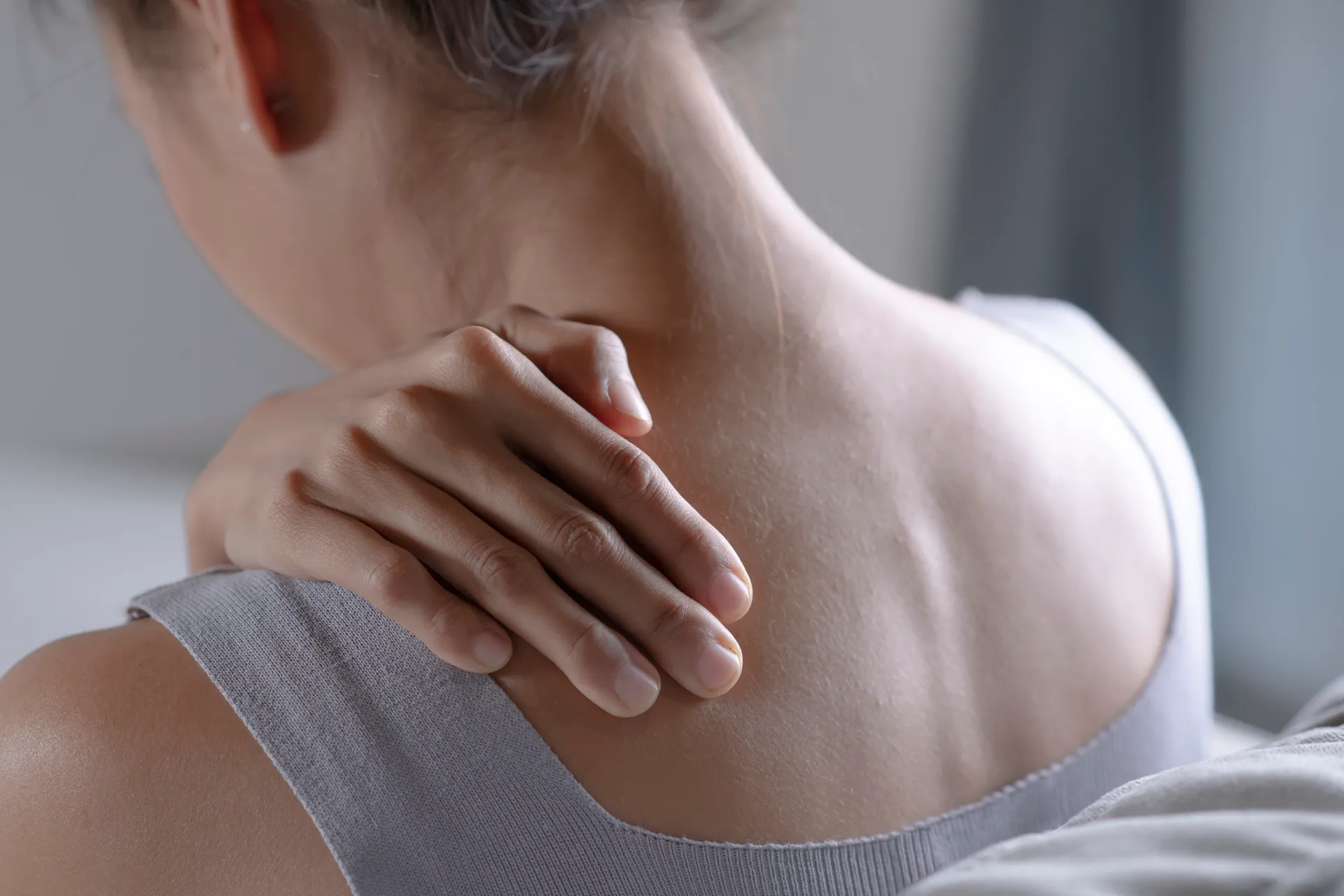
Understanding Your Condition
Our board-certified physicians use advanced diagnostic techniques to accurately identify the source of your pain, ensuring you receive the most effective treatment.
Symptoms of Shoulder Bursitis
Pain on the outside of the shoulder and upper arm that worsens with overhead reaching is the most common complaint. The pain follows the arc between 60 and 120 degrees of arm elevation, called the painful arc. Metro Pain Centers uses the painful arc to localize subacromial bursal inflammation.
Night pain that disrupts sleep when rolling onto the affected shoulder indicates bursal swelling under sustained compression. The inflamed bursa cannot tolerate the pressure of side-lying. Our pain management physicians assess night pain frequency to gauge the severity of bursal inflammation.
Tenderness directly over the lateral acromion that reproduces the shoulder pain when pressed confirms subacromial involvement. Metro Pain Centers uses point tenderness combined with impingement testing to distinguish bursal pain from deeper joint pathology.
Difficulty putting on a coat, reaching into a back pocket, or fastening a bra indicates functional impairment from bursal inflammation. Our specialists evaluate these daily activities to measure how the bursitis is limiting your shoulder function.
What Causes Shoulder Bursitis
Repetitive overhead arm movements are the most common cause of subacromial bursitis that Metro Pain Centers diagnoses. Painters, electricians, swimmers, and anyone who works with arms above shoulder level repeatedly compress the bursa between the acromion and rotator cuff.
Acromial morphology contributes to bursal compression. A hooked or curved acromion reduces the subacromial space and increases mechanical friction on the bursa during arm elevation. Metro Pain Centers evaluates acromial shape on X-ray to determine whether structural narrowing is driving the bursitis.
Rotator cuff tendinopathy increases bursal irritation because the swollen tendon occupies additional space beneath the acromion. The inflamed tendon and inflamed bursa together reduce subacromial clearance further. Our physicians evaluate the rotator cuff alongside the bursa because treating one without addressing the other leads to recurrence.
Acute trauma from a fall onto the point of the shoulder can produce direct bursal inflammation. A single impact crushes the bursa between the acromion and the humeral head. Metro Pain Centers assesses trauma history to distinguish acute from chronic presentations.
How Metro Pain Centers Diagnoses Shoulder Bursitis
Physical examination includes the Neer impingement test, Hawkins-Kennedy test, painful arc assessment, and palpation over the subacromial space. Our board-certified pain specialists use these maneuvers to confirm bursal compression and distinguish it from rotator cuff tear.
Ultrasound visualizes bursal fluid accumulation, bursal wall thickening, and adjacent rotator cuff tendon pathology in real time. Metro Pain Centers uses office-based ultrasound to confirm the diagnosis and guide treatment in the same visit.
X-rays reveal acromial morphology, acromial spurs, and calcific deposits that narrow the subacromial space. Our physicians order outlet views and AP views to evaluate the bony architecture contributing to bursal compression.
Diagnostic subacromial injection with local anesthetic confirms the subacromial bursa as the pain source. When the injection eliminates overhead pain temporarily, Metro Pain Centers uses that confirmation to plan definitive treatment targeting the verified structure.
Treatment Options for Shoulder Bursitis at Metro Pain Centers
Ultrasound-guided subacromial injections deliver corticosteroid directly into the inflamed bursa beneath the acromion. Metro Pain Centers uses real-time imaging to ensure needle placement within the subacromial space rather than the rotator cuff tendon.
Aspiration and injection performed together drain accumulated bursal fluid and deposit anti-inflammatory medication in a single procedure. Our physicians combine these steps for patients with significant bursal distension visible on ultrasound.
Interventional pain management at Metro Pain Centers includes suprascapular nerve blocks for chronic subacromial bursitis that persists despite repeated bursal injections, providing sustained pain relief while rehabilitation restores shoulder mechanics.
Physical therapy strengthens the rotator cuff and scapular stabilizers to restore proper subacromial clearance during arm elevation. PRP therapy supports healing within chronically inflamed bursae and adjacent rotator cuff tendons that have not responded to corticosteroid treatment.
Schedule an appointment to discuss your shoulder bursitis treatment plan.
Your Shoulder Bursitis Specialists at Metro Pain Centers

EXPERIENCE
Led by Dr. Rahul Sood
Led by Dr. Rahul Sood, Chairman of Anesthesiology at New Bridge Medical Centers, Metro Pain Centers delivers multilingual care in English, Spanish, Punjabi, and Hindi across all 12 offices.
Our physicians hold board certifications in anesthesiology and pain medicine, with training from Mount Sinai, Rutgers, and Thomas Jefferson University.
Related Conditions Treated by Metro Pain Centers
Shoulder bursitis frequently coexists with other conditions our physicians treat. Shoulder pain is the broad symptom category, and confirming bursitis as the specific cause directs treatment to the correct structure.
Shoulder impingement compresses the bursa and rotator cuff together beneath the acromion. Rotator cuff injury often accompanies shoulder bursitis because the inflamed tendon and bursa share the same confined space. Bursitis in the hip, knee, or elbow follows similar inflammatory patterns that Metro Pain Centers manages with targeted injections.
View all conditions we treat at Metro Pain Centers.
Shoulder Bursitis Treatment at 12 NJ and NY Locations
Why does my shoulder hurt when I put on a coat?
Sliding your arm into a sleeve requires shoulder flexion and internal rotation, which compresses the subacromial bursa. Metro Pain Centers treats the bursal inflammation and addresses the mechanical cause of the compression.
Is shoulder bursitis the same as a rotator cuff tear?
Shoulder bursitis inflames the bursa above the rotator cuff. A rotator cuff tear damages the tendon below. Both produce overhead pain but require different treatments. Metro Pain Centers distinguishes between them through examination and ultrasound.
How long does shoulder bursitis last?
Acute shoulder bursitis can resolve within weeks with targeted treatment. Chronic cases that recur require correction of the underlying impingement or rotator cuff weakness. Metro Pain Centers addresses both the inflammation and the mechanical trigger.
Can I still exercise with shoulder bursitis?
Exercises that do not require overhead arm movement are generally safe. Metro Pain Centers modifies your activity to maintain fitness while avoiding movements that compress the inflamed bursa.
Does insurance cover shoulder bursitis treatment at Metro Pain Centers?
Metro Pain Centers accepts most major insurance plans. Our billing team verifies your coverage and explains costs before any procedures.
Hear From Our Patients
The doctors actually listen to you and take time to explain everything. I finally found relief after years of back pain.
From my first visit, I felt like they genuinely cared about helping me get better. The staff is wonderful and the treatments changed my life.
After seeing multiple doctors with no improvement, Metro Pain Centers finally gave me a treatment plan that works. I can't recommend them enough.
Get Relief from Shoulder Bursitis Today
The jacket-sleeve bite and the night pain that wakes you every time you roll onto your shoulder do not have to steal your comfort or limit your reach. Metro Pain Centers delivers the diagnostic precision to locate the inflamed bursa and the procedural skill to quiet it.