Scoliosis Treatment in NJ & NY
Your teenager's school screening flagged uneven shoulders and now you are staring at an X-ray that shows a curved spine you never noticed. Or maybe you are the adult whose childhood scoliosis has started aching after 20 quiet years. Metro Pain Centers manages the pain and progression of scoliosis at every age using non-surgical interventional methods.
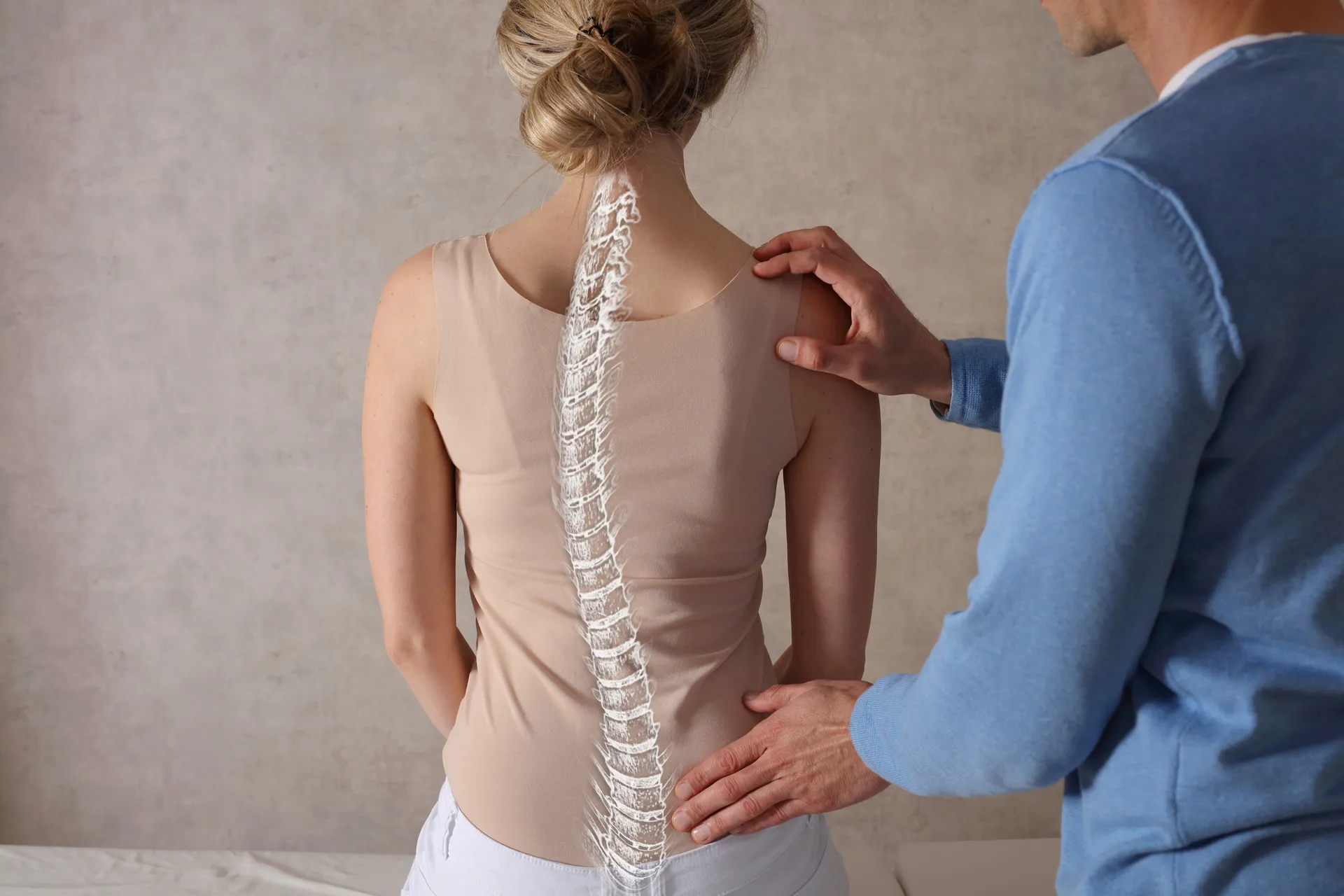
Understanding Scoliosis at Metro Pain Centers
Scoliosis is a three-dimensional deformity of the spinal column characterized by lateral curvature of 10 degrees or greater as measured on a standing posteroanterior radiograph, often accompanied by vertebral rotation that creates rib prominence and trunk asymmetry, and it affects approximately 2 to 3 percent of the general population.
Cobb angle measurement, the standard radiographic method for quantifying scoliosis severity by measuring the angle between lines drawn along the superior endplate of the most tilted vertebra above the curve apex and the inferior endplate of the most tilted vertebra below, determines both diagnosis and treatment decisions. Metro Pain Centers uses Cobb angle measurement to track curve progression and guide pain management intensity.
Scoliosis is not simply a cosmetic concern. The abnormal curvature places asymmetric load on vertebral discs, facet joints, and paraspinal muscles. Over years, this uneven stress accelerates degeneration on the concave side of the curve.
Metro Pain Centers focuses on the pain and functional limitations that scoliosis produces. Whether your curve is mild, moderate, or severe, our physicians target the specific structures under stress rather than applying generic back pain treatments.
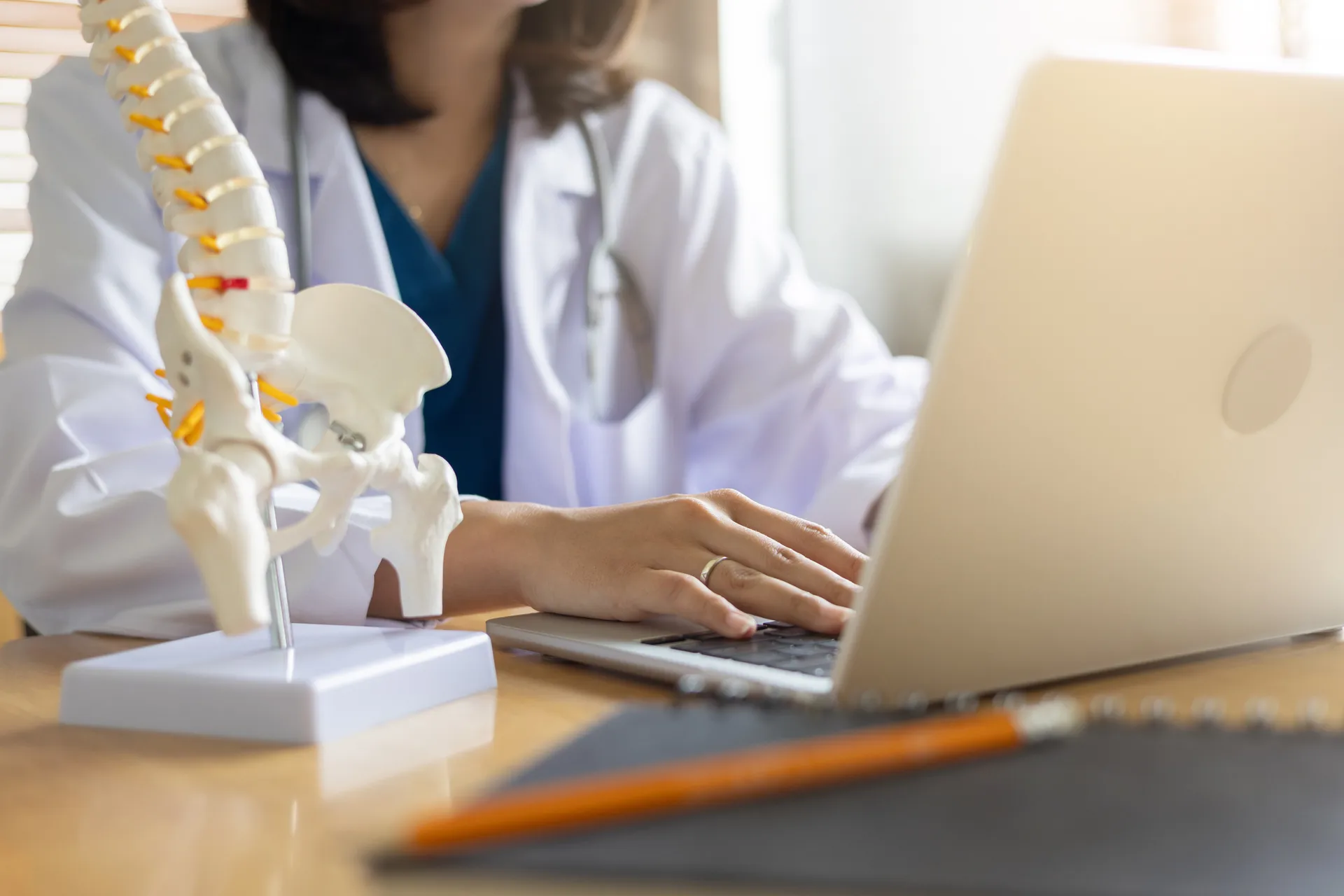
Understanding Your Condition
Our board-certified physicians use advanced diagnostic techniques to accurately identify the source of your pain, ensuring you receive the most effective treatment.
Symptoms of Scoliosis
Chronic aching pain along the concave side of the spinal curve is the most common symptom in adult scoliosis patients. Metro Pain Centers identifies this asymmetric pain pattern as a direct consequence of uneven vertebral loading.
Muscle fatigue and tightness on one side of the back develop from the constant effort required to stabilize an unbalanced spine. Our physicians evaluate paraspinal muscle asymmetry through palpation and functional testing.
Radiating leg pain in degenerative adult scoliosis occurs when the curve compresses nerve roots in the lumbar spine. Metro Pain Centers assesses for radiculopathy when scoliosis patients report numbness, tingling, or weakness below the knee.
Visible postural asymmetry including uneven shoulders, a prominent rib hump, and a shifted trunk midline accompany more advanced curves. These structural changes increase with curve progression and correlate with worsening pain in many patients.
What Causes Scoliosis
Idiopathic scoliosis, meaning no identifiable cause, accounts for approximately 80 percent of cases. Most idiopathic scoliosis develops during adolescence when rapid growth can amplify a small curve into a significant deformity. Metro Pain Centers manages the pain associated with this most common form.
Degenerative scoliosis develops in adults as disc degeneration and facet joint arthritis cause the spine to curve asymmetrically. This form typically affects the lumbar spine in patients over 50. Our pain management physicians evaluate degenerative scoliosis as a distinct entity.
Neuromuscular scoliosis results from conditions like cerebral palsy, muscular dystrophy, or spinal cord abnormalities that weaken trunk muscles. The imbalanced muscle forces allow the spine to curve progressively.
Congenital scoliosis originates from vertebral malformation during fetal development. Metro Pain Centers treats the pain associated with congenital curves while coordinating with orthopedic specialists for structural management.
How Metro Pain Centers Diagnoses Scoliosis Pain
Standing full-spine X-rays measure the Cobb angle and identify the apex, direction, and flexibility of the curve. Our board-certified pain specialists use these films to classify the scoliosis and identify the vertebral levels under the greatest mechanical stress.
Physical examination evaluates trunk asymmetry, rib prominence with the Adam's forward bend test, and paraspinal muscle imbalances. Metro Pain Centers correlates physical findings with radiographic measurements to build the diagnostic picture.
MRI is ordered when neurological symptoms accompany scoliosis to evaluate for disc herniations, spinal stenosis, or cord compression within the curved segment. Metro Pain Centers identifies these treatable causes of radicular pain within the scoliotic spine.
Diagnostic facet joint injections and medial branch blocks determine whether specific facet joints within the curve are generating pain. This targeted approach allows Metro Pain Centers to treat the pain-producing joint rather than the entire curve.
Treatment Options for Scoliosis at Metro Pain Centers
Facet joint injections and medial branch blocks target the specific joints under asymmetric stress within the scoliotic curve. Metro Pain Centers uses fluoroscopic guidance to place medication precisely at the overloaded facet levels identified during diagnostic testing.
Radiofrequency ablation of the medial branch nerves at the symptomatic levels provides 6 to 18 months of pain relief for confirmed facet-mediated scoliosis pain. This approach treats the pain without altering the curve itself.
Interventional pain management at Metro Pain Centers includes epidural steroid injections for radiculopathy within the scoliotic spine and trigger point injections for the paraspinal muscle imbalances that scoliosis creates.
Physical therapy uses Schroth-method exercises and asymmetric strengthening to improve muscular balance around the curve. PRP therapy supports healing in degenerated facet joints and discs under asymmetric load. Our physicians coordinate every treatment to address the specific biomechanical challenges scoliosis presents.
Schedule an appointment to discuss your scoliosis treatment plan.
Your Scoliosis Specialists at Metro Pain Centers

EXPERIENCE
Led by Dr. Rahul Sood
Led by Dr. Rahul Sood, Chairman of Anesthesiology at New Bridge Medical Centers, Metro Pain Centers provides multilingual care in English, Spanish, Punjabi, and Hindi across all 12 offices.
Our physicians hold board certifications in anesthesiology and pain medicine, with training from Mount Sinai, Rutgers, and Thomas Jefferson University.
Related Conditions Treated by Metro Pain Centers
Scoliosis-related pain overlaps with several conditions our physicians manage. Back and spine pain from facet degeneration and disc disease is accelerated by the asymmetric loading scoliosis creates.
Radiculopathy develops within scoliotic curves when nerve roots are compressed by foraminal narrowing. Spondylolisthesis can accompany degenerative scoliosis when vertebral slippage occurs at the curve apex.
View all conditions we treat at Metro Pain Centers.
Scoliosis Treatment at 12 NJ and NY Locations
Does scoliosis always cause pain?
Many people with mild scoliosis experience no pain at all. Pain typically develops when the curve exceeds 30 degrees or when degenerative changes accelerate within the curved segment. Metro Pain Centers evaluates whether your curve is producing pain-generating structural stress.
Can scoliosis be corrected without surgery?
Metro Pain Centers does not correct the curve itself but manages the pain it produces. Physical therapy can improve muscular balance and reduce pain. Bracing in adolescents may slow progression. Surgery is considered only for severe, progressive curves.
Does scoliosis get worse with age?
Degenerative scoliosis can progress in adulthood as disc and facet joint degeneration worsen the curve. Metro Pain Centers monitors curve progression and escalates treatment when radiographic changes correlate with increasing pain.
What exercises help scoliosis pain?
Schroth-method exercises and asymmetric core strengthening are the most evidence-based approaches. Metro Pain Centers coordinates with physical therapists trained in scoliosis-specific exercise programs.
Does insurance cover scoliosis pain treatment?
Metro Pain Centers accepts most major insurance plans. Our billing team verifies coverage and discusses costs before any procedures are scheduled.
Hear From Our Patients
The doctors actually listen to you and take time to explain everything. I finally found relief after years of back pain.
From my first visit, I felt like they genuinely cared about helping me get better. The staff is wonderful and the treatments changed my life.
After seeing multiple doctors with no improvement, Metro Pain Centers finally gave me a treatment plan that works. I can't recommend them enough.
Get Relief from Scoliosis Pain Today
A curved spine does not have to mean a life defined by pain. Metro Pain Centers provides the biomechanical understanding and interventional precision to treat the specific structures your scoliosis is overloading.